
 +84 91 322 2269
Nestled beneath the iconic Lung Cu Flag Tower in Vietnam’s northern Ha Giang Province, Lo Lo Chai has become one of the country’s most celebrated community-based tourism destinations. In 2025, the village earned international recognition as one of UN Tourism’s Best Tourism Villages, joining four other Vietnamese communities honored for preserving local culture while promoting sustainable tourism.
Yet behind this success lies an important conversation about the future of community tourism.
Japanese tourism advocate Ogura Yasushi, who first visited Vietnam in 1995 and discovered Lo Lo Chai in 2013, believes the village now stands at a crossroads. Having returned to Vietnam more than 120 times over the past three decades, he considers Vietnam his “second homeland” and Lo Lo Chai his “second home.” Rather than celebrating his own contributions, he says his greatest concern today is how rapid tourism development could gradually erode the very cultural identity that made the village special.
A Village That Captured His Heart
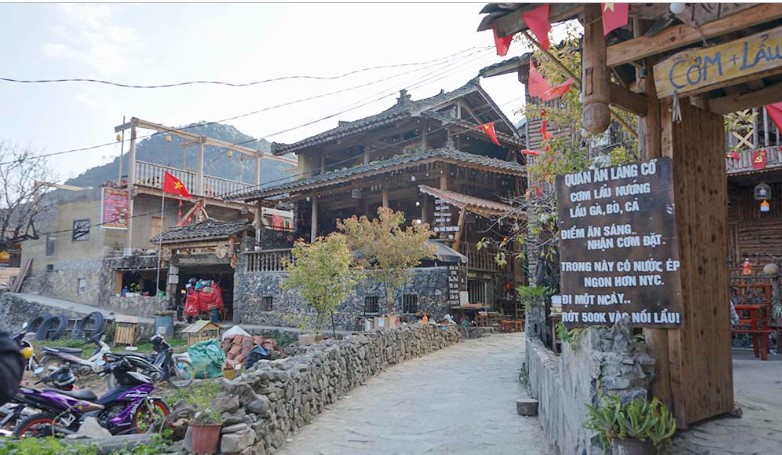
When Ogura first arrived in Lo Lo Chai, he was immediately captivated by the dramatic limestone plateau, the traditional rammed-earth houses, and the unique culture of the Lo Lo ethnic community.
Inspired by the village’s authenticity, he opened the Cafe Cuc Bac (Northernmost Café) in 2015 and has closely followed Lo Lo Chai’s tourism development ever since. According to him, the village has changed dramatically over the past decade, particularly after the COVID-19 pandemic. During the last three years, tourism has grown at an extraordinary pace, transforming Lo Lo Chai into one of Vietnam’s best-known community tourism destinations.
Ogura credits this achievement to the dedication of local authorities, village leaders, and residents whose hard work helped attract both domestic and international visitors. He describes the recognition from UN Tourism as a remarkable milestone for the community.
Success Brings New Challenges
While praising Lo Lo Chai’s achievements, Ogura believes rapid commercial development has also introduced significant challenges.
In his view, the village was originally envisioned as a destination where the Lo Lo people themselves would remain the owners, managers, and primary beneficiaries of tourism. Instead, an increasing number of outside investors have entered the village, bringing capital, business experience, and new construction projects.
As a result, Ogura argues that some traditional architecture, cultural elements, and village aesthetics have gradually been replaced by designs influenced by commercial trends rather than authentic Lo Lo heritage. Although these developments may attract more visitors, he worries that the village is slowly becoming less representative of its original identity.
What Makes Community Tourism Successful?
Ogura believes that international awards such as UN Tourism’s Best Tourism Villages recognize far more than beautiful scenery.
According to him, communities receive this recognition because they successfully preserve unique traditions, local cuisine, agricultural heritage, cultural identity, and natural landscapes while allowing tourism to improve local livelihoods.
Rather than simply celebrating the award itself, he encourages each community to understand why it was selected in the first place. These distinctive cultural assets cannot easily be replicated elsewhere and should remain the foundation for future tourism development.
He also warns against copying successful tourism models from other destinations. While imitation may generate short-term visitor growth, it often leads to the gradual loss of local identity—the very quality that attracts travelers in the first place.
Local People Must Remain at the Center
One of Ogura’s strongest messages is that community tourism should always be driven by the local community itself.
He explains that many Lo Lo Chai residents lacked the financial resources and tourism experience needed to develop businesses independently. Consequently, many partnered with external investors or leased their homes and land to outside operators.
In recent years, some residents have even sold their property within the village to investors.
Although these transactions are legally permissible, Ogura believes they gradually reduce local ownership and make it increasingly difficult to preserve the village as an authentic ethnic cultural community. If this trend continues unchecked, he fears the economic benefits of tourism may shift away from local residents while traditional cultural values continue to diminish.
Tourism or Cultural Preservation?
Ogura acknowledges that not every traveler visits a destination for the same reason.
Many tourists—particularly domestic visitors—are primarily looking for beautiful scenery, photogenic locations, and social media experiences. Lo Lo Chai undoubtedly satisfies these expectations, helping explain its rapid popularity.
However, visitors seeking genuine cultural experiences have different expectations. They want to understand traditional clothing, local history, customs, architecture, and everyday life within the Lo Lo community.
Ogura believes Lo Lo Chai must ultimately decide which direction it wishes to pursue.
If the village chooses to become primarily a scenic “check-in” destination, its current development model may continue successfully.
But if its ambition is to remain a genuine ethnic cultural village, greater efforts will be needed to limit excessive commercialization while investing in authentic cultural experiences led by local residents. Although this approach may reduce visitor numbers in the short term, he believes it will create stronger long-term sustainability and greater international recognition.
Looking Beyond Lo Lo Chai
Ogura extends the same message to Vietnam’s broader tourism industry.
He applauds Vietnam’s investment in tourism infrastructure but emphasizes that development should not come at the expense of the country’s natural and cultural heritage. Across Vietnam, countless rural landscapes and pristine environments already possess immense tourism value without requiring large-scale construction.
Having witnessed significant changes in Ha Giang over the past two decades, he hopes Vietnam will continue investing not only in resorts and entertainment facilities but also in preserving authentic villages, traditional lifestyles, and untouched natural scenery for future generations.
For Ogura, sustainable tourism is ultimately about balance—welcoming visitors while ensuring that the culture, landscapes, and communities that make a destination unique are never lost in the process.
Source: Adapted and expanded from the original interview published by the Vietnam National Authority of Tourism (VNAT) – Travel+, featuring Japanese tourism advocate Ogura Yasushi discussing the future of community-based tourism in Lo Lo Chai.