
 +84 91 322 2269
For many international travelers, northern Vietnam is synonymous with the Ha Giang Loop—an iconic motorbike route celebrated for its dramatic mountain passes and spectacular landscapes. Yet as its popularity has surged, so too have the crowds, traffic, and commercialization.
For travelers searching for a slower and more meaningful experience, another destination quietly offers a different perspective on Vietnam’s northern highlands: Hoang Su Phi.
A Different Kind of Mountain Journey
Unlike destinations built around busy sightseeing routes, Hoang Su Phi rewards those willing to slow down.
Here, winding mountain roads connect small ethnic villages, centuries-old rice terraces, forested valleys, and quiet streams rather than crowded cafés or popular photo stops. The journey itself becomes part of the experience, with every bend revealing another panoramic view of layered mountains disappearing into the clouds.
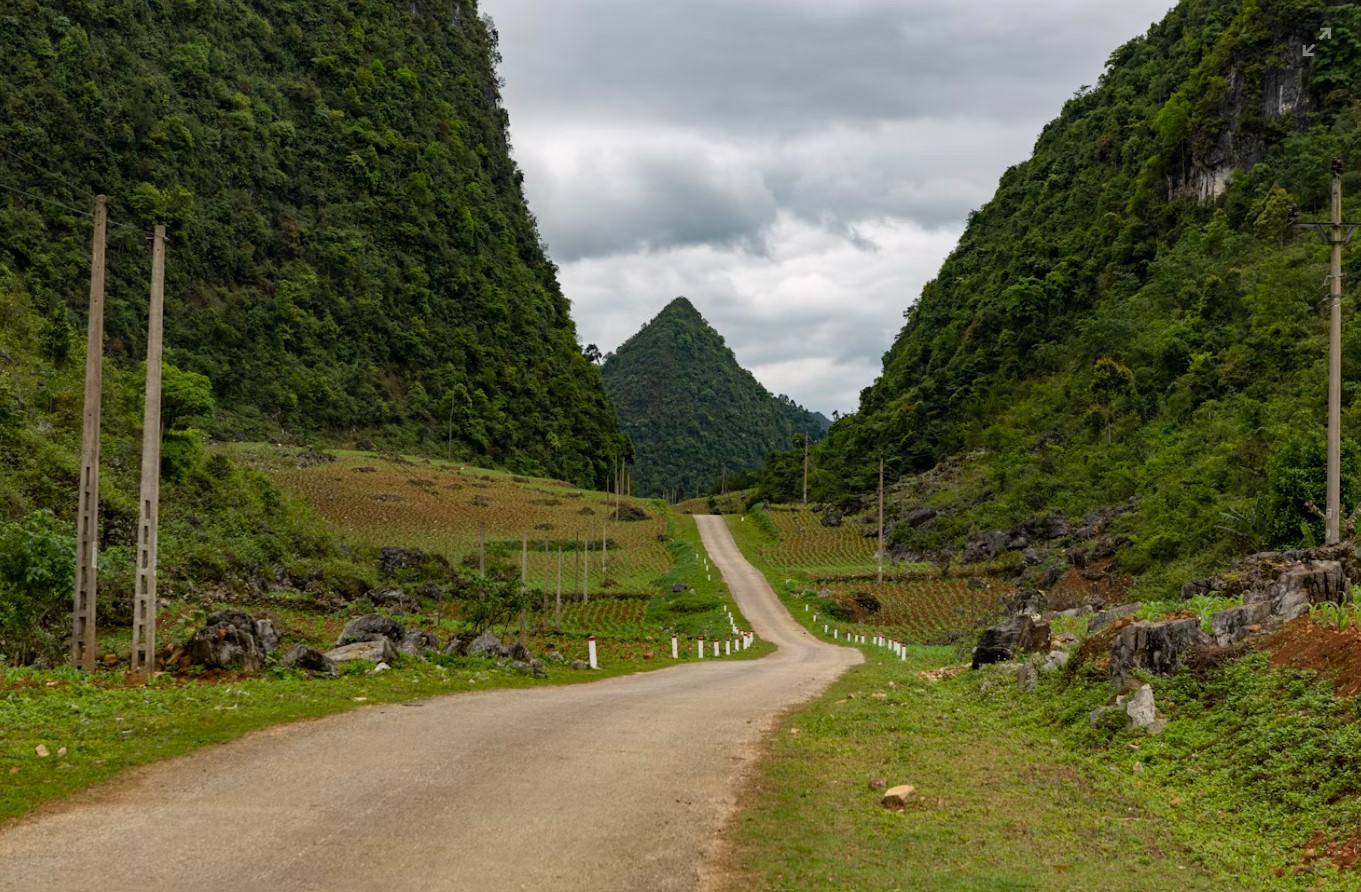
Instead of checking landmarks off a list, visitors are encouraged to spend time observing daily life, meeting local communities, and appreciating the rhythm of the landscape.
Living Landscapes, Not Tourist Attractions
Hoang Su Phi is home to several ethnic minority communities, including the Dao, Nung, La Chi, Hmong, and Tay people, whose traditions continue to shape everyday life.
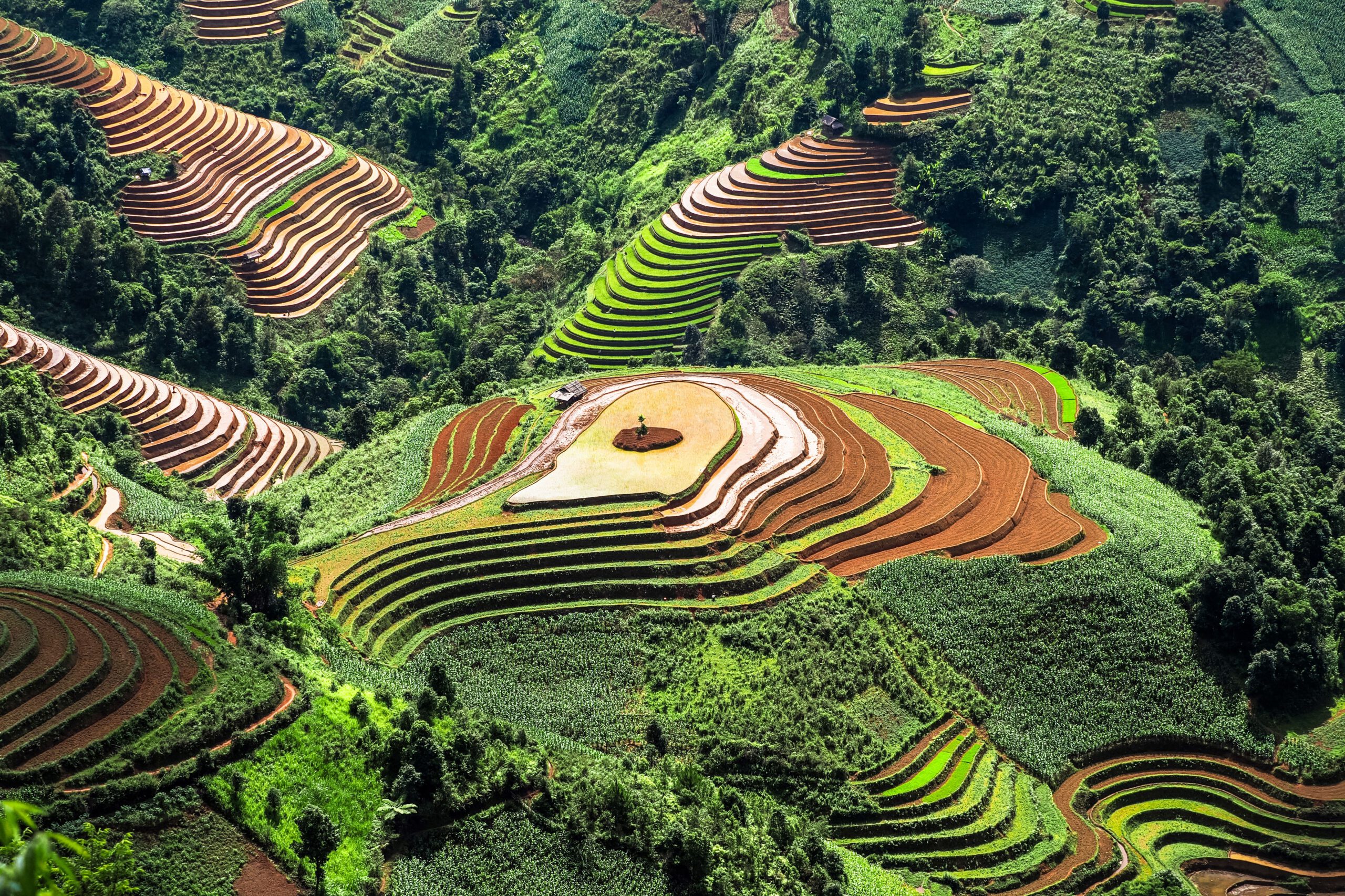
The famous terraced rice fields are not simply scenic viewpoints—they remain working agricultural landscapes that have sustained local families for generations. Depending on the season, visitors may witness rice planting, harvesting, or farmers maintaining the intricate irrigation systems that have transformed steep mountainsides into living works of art.
This connection between people and landscape is one of the region’s defining characteristics.
Traveling at Nature’s Pace
One of Hoang Su Phi’s greatest strengths is the absence of urgency.
Rather than rushing through multiple destinations in a single day, visitors often find themselves spending hours hiking through villages, watching clouds drift across mountain ridges, sharing tea with local families, or simply enjoying the silence.
Each season offers a different atmosphere:
Spring brings fresh green rice fields and mountain blossoms.
Summer paints the terraces in vibrant emerald tones.
Autumn transforms the hillsides into golden waves during harvest season.
Winter often arrives with misty mornings that give the mountains an almost dreamlike appearance.
There is no “best” season—only different ways to experience the landscape.
A Place That Still Feels Authentic
As tourism continues to grow across northern Vietnam, Hoang Su Phi remains comparatively quiet.
Small family-run homestays, locally guided trekking routes, and community-based tourism initiatives continue to define much of the visitor experience. While tourism is gradually developing, many travelers appreciate that the region still feels connected to everyday rural life rather than being shaped primarily around tourism itself.
This slower pace allows visitors to experience the mountains without the constant movement often associated with more heavily visited destinations.
Why Responsible Tourism Matters
The future of Hoang Su Phi depends not only on attracting more visitors, but on attracting the right kind of visitors.
Respecting local customs, supporting community-owned accommodation, reducing environmental impact, and taking time to learn about the region’s cultural diversity all contribute to preserving what makes Hoang Su Phi unique.
For many travelers, the greatest luxury is no longer finding somewhere famous—it is discovering somewhere that still feels genuine.
Hoang Su Phi reminds us that meaningful travel is not always about seeing more places, but about experiencing one place more deeply.